





 Send Inquiry
SORANIB 120TAB
Price 7034.00 INR/ Thousand
SORANIB 120TAB Specification
- Indication
- Treatment of advanced renal cell carcinoma, hepatocellular carcinoma
- Origin of Medicine
- India
- Dosage Form
- Tablet
- Pacakaging (Quantity Per Box)
- 120 tablets
- Salt Composition
- Sorafenib 200 mg
- Drug Type
- Allopathic
- Ingredients
- Sorafenib Tosylate
- Physical Form
- Tablet
- Function
- Anti-cancer (kinase inhibitor)
- Recommended For
- Adults with advanced renal cell carcinoma, hepatocellular carcinoma
- Dosage
- As directed by physician; usually 400 mg (two tablets) twice daily
- Dosage Guidelines
- Take orally, twice daily, at least 1 hour before or 2 hours after a meal
- Suitable For
- Adults
- Quantity
- 120 tablets per bottle
- Storage Instructions
- Store below 30°C, protect from moisture
- Route of Administration
- Oral
- Package Insert
- Contains detailed usage and safety information
- Packaging Type
- Plastic bottle
- Therapeutic Class
- Antineoplastic
- Marketed By
- Cipla Ltd.
- Color
- Light yellowish tablet
- Shelf Life
- 24 months
- Prescription Required
- Yes
- Warnings
- To be sold by retail on the prescription of a specialist only
- Regulatory Approval
- FDA (India) approved
- Common Side Effects
- Rash, diarrhea, fatigue, hand-foot skin reaction
- Trade Name
- SORANIB
- Brand Name
- SORANIB
SORANIB 120TAB About
Soranib Tablet belongs to the class of medicines known as tyrosine kinase inhibitors used in the treatment of liver cancer, kidney cancer, and thyroid cancer.Soranib Tablet should be taken on an empty stomach, but try to have it at the same time every day to get the most benefits. Your doctor will decide what dose is necessary and how often you need to take it. This will depend on what you are being treated for and may change from time to time. You should take it exactly as your doctor has advised. Taking it in the wrong way or taking too much can cause very serious side effects. It may take several weeks or months for you to see or feel the benefits but do not stop taking it unless your doctor tells you to.Fatigue, nausea, loss of appetite, hair loss and diarrhea are some common side effects of this medicine. It might cause high blood pressure, so the doctor may ask you for a regular check-up of blood pressure. You must inform your doctor if you notice severe skin reaction such as skin rash, or any pain, swelling, and redness of your hands and feet.Before taking it, tell your doctor if you have heart disease, liver, or kidney problems or high blood pressure. Many other medicines can affect, or be affected by, this medicine so let your healthcare team know all medications you are using. This medicine is not recommended during pregnancy or while breastfeeding. The use of effective contraception by both males and females during treatment is important to avoid pregnancy.How SORANIB Works
SORANIB contains Sorafenib Tosylate, which acts as a kinase inhibitor targeting multiple pathways involved in cancer cell growth and proliferation. By blocking these specific enzymes in cancer cells, SORANIB helps to slow down or stop the progression of advanced kidney and liver cancers (renal cell carcinoma and hepatocellular carcinoma). Its targeted action makes it a vital part of treatment plans for eligible adults.
Proper Usage and Dosage Guidelines
SORANIB is administered orally and should be taken twice daily (400 mg per dose, usually two tablets each time). Optimal absorption occurs when taken at least 1 hour before or 2 hours after meals. It is important to follow your physician's directions and consult the provided package insert for details. Regular monitoring and communication with your healthcare provider are essential to ensure safe and effective treatment.
Storage and Handling Information
To maintain potency and safety, SORANIB tablets should be kept in their original plastic bottle, stored below 30C, and protected from moisture. Be sure to keep this medication out of reach of children and do not consume it after the expiry date. Always check the packaging for complete instructions on proper storage and handling.
FAQ's of SORANIB 120TAB:
Q: How should I take SORANIB 120TAB for optimal results?
A: SORANIB tablets should be taken by mouth, twice a day, at least 1 hour before or 2 hours after meals, ensuring a 400 mg dose each time (usually two tablets). Always follow your physician's exact instructions for best results.Q: What are the main benefits of using SORANIB?
A: SORANIB helps slow the progression of advanced renal cell carcinoma and hepatocellular carcinoma by inhibiting specific enzymes that fuel cancer growth, making it a key therapy for eligible adult patients.Q: When is SORANIB prescribed?
A: SORANIB is prescribed to adults diagnosed with advanced kidney cancer (renal cell carcinoma) or advanced liver cancer (hepatocellular carcinoma) who require targeted therapy as directed by a specialist.Q: Where can I obtain SORANIB 120TAB?
A: You can purchase SORANIB from licensed pharmacies in India upon presentation of a specialist's prescription. Only registered distributors, suppliers, or traders offer this medicine on prescription.Q: What safety precautions and storage measures should I follow with SORANIB?
A: Store the tablets below 30C, protect them from moisture, and keep them in the original plastic bottle. Do not use expired medication and keep it out of reach of children. Handle as per the package insert guidelines.Q: What are the common side effects associated with SORANIB?
A: The most frequently reported side effects include rash, diarrhea, fatigue, and hand-foot skin reaction. Report any persistent or severe symptoms to your doctor promptly for further advice.Q: What is the process for starting SORANIB therapy?
A: Initiation of SORANIB therapy requires a specialist's evaluation and prescription. Your doctor will determine the appropriate treatment plan, guide you on dosage, and monitor for side effects or necessary adjustments during therapy.

Price:
- 50
- 100
- 200
- 250
- 500
- 1000+

More Products in ANTI CANCER MEDICINE Category

Bosutris 500 mg
Price 10000.00 INR / Bottle
Minimum Order Quantity : 1 Bottle
Physical Form : Tablets
Function : AntiCancer
Dosage Guidelines : Take this medicine in the dose and duration as advised by your doctor. Swallow it as a whole. Do not chew, crush or break it. Bosutris 500 Tablet may be taken with or without food, but it is better to take it at a fixed time.
Ingredients : Bosutinib
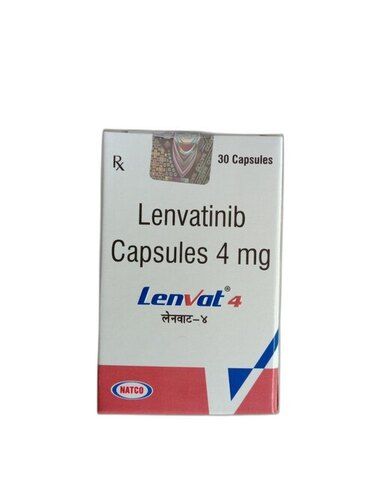
Lenvat 4MG Capsule
Price 2500.00 INR / Bottle
Minimum Order Quantity : 1 Bottle
Physical Form : Capsules
Function : AntiCancer
Dosage Guidelines : Your doctor will decide what dose is necessary and how often you need to take it.
Ingredients : Lenvatinib

PEMETERO 500 INJ
Price 2150.00 INR / Vial
Minimum Order Quantity : 1 Vial
Physical Form : Liquid
Function : AntiCancer
Dosage Guidelines : Your doctor will decide what dose is necessary and how often you need to take it.
Ingredients : PEMETREXED
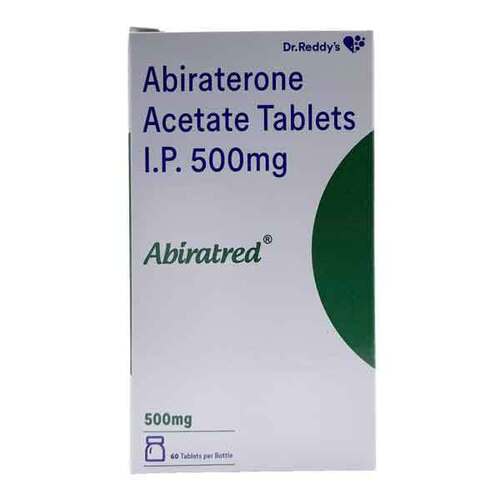
ABIRATRED 500 MG TABLET
Price 12200.00 INR / Bottle
Minimum Order Quantity : 1 Bottle
Physical Form : Tablets
Function : AntiCancer
Dosage Guidelines : This medication should be taken orally in an empty stomach. It should not be taken with food and swallow the tablet as a whole with water without breaking them.
Ingredients : Abiraterone Acetate

GST : 29AXZPT5360J1ZC
 Send Inquiry


 |
SURYA SPECIALITY PHARMA
All Rights Reserved.(Terms of Use) Developed and Managed by Infocom Network Private Limited. |
