






 Send Inquiry
Pepar 4.5gm Injection
Price 390 INR/ Vial
Pepar 4.5gm Injection Specification
- Indication
- For serious infections caused by susceptible bacteria (respiratory, urinary tract, intra-abdominal, skin & soft tissue, gynecological infections, septicemia)
- Dosage Form
- Injection (powder for intravenous administration)
- Salt Composition
- Piperacillin Sodium 4 gm + Tazobactam Sodium 0.5 gm
- Origin of Medicine
- Allopathic
- Pacakaging (Quantity Per Box)
- 1 vial per box
- Drug Type
- Prescription (Rx)
- Ingredients
- Piperacillin and Tazobactam
- Physical Form
- Lyophilized Powder for Injection
- Function
- Antibiotic (antibacterial action)
- Recommended For
- Adults and pediatric patients as prescribed by physician
- Dosage
- As directed by healthcare professional, typically 4.5 gm reconstituted and administered intravenously
- Dosage Guidelines
- Follow physicians instructions, IV use only
- Suitable For
- All age groups (as recommended by physician)
- Quantity
- 1 vial
- Storage Instructions
- Store below 25C, protect from light
- Expiry Date
- Printed on packaging
- Precautions
- Use with caution in patients with renal impairment; monitor liver and kidney function during therapy
- Appearance
- White to off-white powder
- Manufactured By
- Pepar Pharmaceuticals
- Usage Restrictions
- For hospital/institutional use only
- Route of Administration
- Intravenous infusion or slow intravenous injection
- Contraindication
- Hypersensitivity to penicillins, beta-lactams
- Therapeutic Class
- Antibacterial (Beta-lactam/Beta-lactamase inhibitor combination)
- Shelf Life
- 2 years from manufacturing date
- Side Effects
- Possible allergic reactions, nausea, vomiting, diarrhea, rash
- Batch/Lot Number
- Printed on packaging
- Drug Interactions
- May interact with aminoglycosides, anticoagulants, methotrexate and certain diuretics
- Reconstitution
- Reconstitute with 20 mL sterile water for injection before use
Pepar 4.5gm Injection About
Pepar 4.5gm Injection is a combination of two antibiotics. It is used to treat various types of bacterial infections. It fights against the infection by killing the microorganisms.Pepar 4.5gm Injection is generally administered by a healthcare professional and should not be self-administered. Depending on the severity of your underlying illness, your doctor will decide the precise dose and schedule as per which this injection is to be given. It is strictly advised to be used as per the doctors prescription.Some of the common side effects of this medicine include nausea, vomiting, diarrhea, and rash. Additionally, you may notice some injection site reactions like pain, swelling, or redness. You should consult your doctor if these side effects do not get better with time and persist for a longer duration.Before using the medicine, you should tell your doctor if you are allergic to any antibiotics or have any kidney or liver problems. Your doctor may change the dose or prescribe a different medicine. This medicine is generally considered safe to use during pregnancy and breastfeeding if used under a doctors supervision.How to Prepare and Administer Pepar 4.5gm Injection
Pepar 4.5gm Injection must be reconstituted with 20 mL of sterile water for injection prior to use. After preparation, it is administered intravenously, either through slow injection or infusion. The process must be conducted in a clinical setting, under supervision of qualified medical personnel to ensure correct dosage and to monitor for any adverse reactions.
Therapeutic Benefits and Clinical Use
As an antibacterial agent, Pepar 4.5gm combines piperacillin with tazobactam for robust action against resistant bacteria. Its therapeutic benefits include effective management of complex infections such as septicemia, intra-abdominal, respiratory, urinary tract, skin and gynecological infections, helping reduce progression and complications associated with these conditions.
Storage and Handling Requirements
Store Pepar 4.5gm Injection below 25C and protect it from light to maintain its efficacy. The medication comes as a single vial in each box; batch number and expiry date are printed on the packaging for traceability. Proper storage and handling help preserve the medicine's stability throughout its two-year shelf life.
FAQ's of Pepar 4.5gm Injection:
Q: How should Pepar 4.5gm Injection be reconstituted and administered?
A: Pepar 4.5gm Injection must be reconstituted using 20 mL of sterile water for injection before use. Once fully dissolved, it is administered intravenously, either as a slow injection or by infusion, under medical supervision.Q: What types of infections is Pepar 4.5gm Injection used to treat?
A: Pepar 4.5gm Injection is prescribed to manage serious bacterial infections, such as respiratory tract, urinary tract, intra-abdominal, skin and soft tissue, gynecological infections, and septicemia, when caused by susceptible organisms.Q: When is the use of Pepar 4.5gm Injection contraindicated?
A: This medicine should not be used by individuals with a known hypersensitivity to penicillins, beta-lactams, or any of its ingredients, as severe allergic reactions may occur.Q: Where should Pepar 4.5gm Injection be stored prior to use?
A: The injection should be stored below 25C and protected from light. Ensure the vial remains unopened until it is ready for reconstitution and administration in a medical facility.Q: What precautions should be taken for patients with renal impairment?
A: Patients with renal dysfunction should use Pepar 4.5gm Injection with caution. Healthcare providers will monitor kidney and liver functions throughout the treatment to mitigate potential risks.Q: What drug interactions should be considered with Pepar 4.5gm Injection?
A: Pepar 4.5gm Injection may interact with aminoglycosides, anticoagulants, methotrexate, and certain diuretics. Inform your physician about all medications you are taking to avoid possible interactions.Q: What are the most common side effects associated with Pepar 4.5gm Injection?
A: Common side effects include allergic reactions, nausea, vomiting, diarrhea, and skin rash. Report any unusual symptoms to your healthcare provider promptly.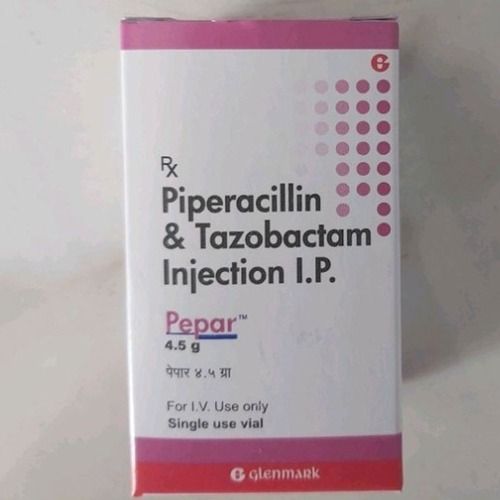

Price:
- 50
- 100
- 200
- 250
- 500
- 1000+

More Products in Pharmaceutical Injection Category
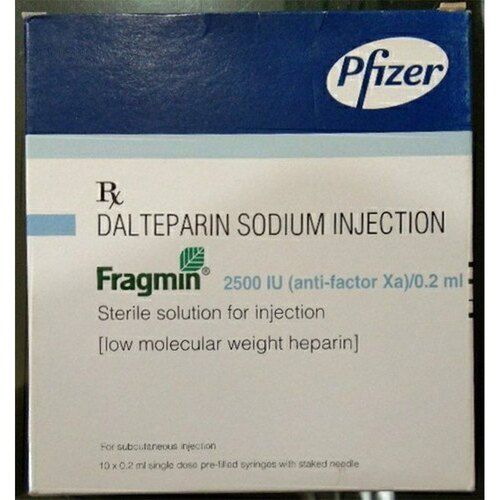
FRAGMIN2500 IU
Price 427.00 INR / Vial
Minimum Order Quantity : 10 Units
Drug Type : Injection
Storage Instructions : Store below 25C
Physical Form : Liquid
Dosage Guidelines : TO PREVENTION OF BLOOD CLOTING
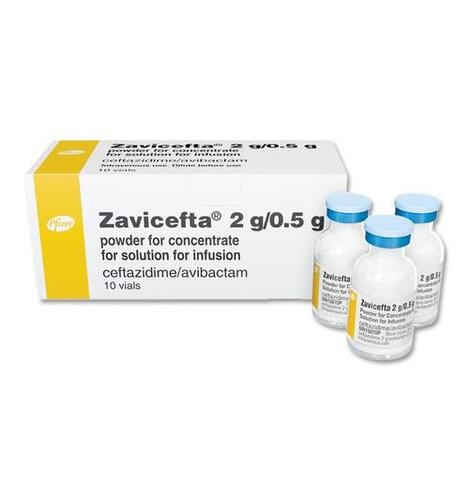
ZAVICEFTA INJECTION
Price 4465 INR / Vial
Minimum Order Quantity : 1 Vial
Drug Type : Injection
Storage Instructions : KEEP WITHIN 30C
Physical Form : Liquid
Dosage Guidelines : Your doctor or nurse will give you this medicine. Kindly do not self administer.
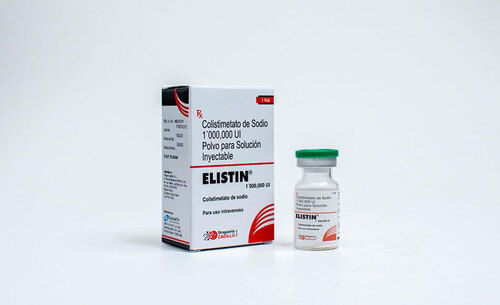
ELISTIN 1 MIU
Minimum Order Quantity : 10 Vials
Drug Type : Injection
Storage Instructions : Store below 25C
Physical Form : Powder
Dosage Guidelines : Bacterial infections, hospitalacquired and ventilatorassociated pneumonia, urinary tract infections, intraabdominal infections, skin and soft tissue infections, and uterine infections.
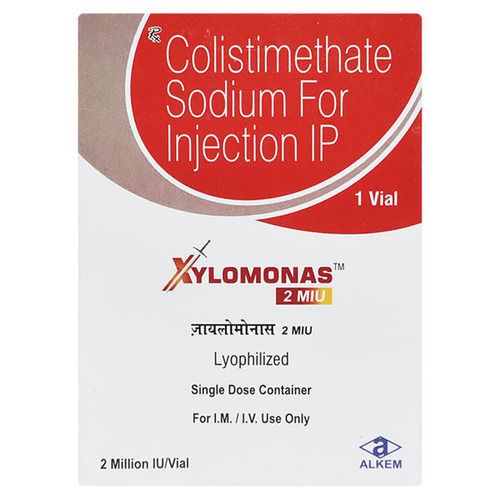
XYLOMONAS 1MIU INJ
Price 1050 INR / Number
Minimum Order Quantity : 100
Drug Type : Other, Prescription Only
Storage Instructions : Store below 25C, protected from light and moisture
Physical Form : Other, Injection
Dosage Guidelines : Intramuscular or Intravenous use only

GST : 29AXZPT5360J1ZC
 Send Inquiry



 |
SURYA SPECIALITY PHARMA
All Rights Reserved.(Terms of Use) Developed and Managed by Infocom Network Private Limited. |
