





 Send Inquiry
PANGRAF 1MG
Price 410 INR/ Thousand
PANGRAF 1MG Specification
- Dosage Form
- Capsule
- Indication
- Prevention of organ transplant rejection
- Salt Composition
- Tacrolimus 1mg
- Origin of Medicine
- India
- Pacakaging (Quantity Per Box)
- 60 capsules
- Drug Type
- Allopathic
- Ingredients
- Tacrolimus (1mg)
- Physical Form
- Capsule
- Function
- Immunosuppressant
- Recommended For
- Organ transplant patients (kidney, liver, or heart), under medical supervision
- Dosage
- As directed by the physician; usually 1mg once or twice daily
- Dosage Guidelines
- Swallow whole with water, do not open or chew
- Suitable For
- Adults
- Quantity
- 6 x 10 capsules
- Storage Instructions
- Store below 25°C, protect from moisture and light
- Caution
- To be used only under medical supervision, frequent monitoring required
- Prescription Required
- Yes
- Route of Administration
- Oral
- Color
- White capsule with red print
- Side Effects
- May include nausea, tremor, headache, high blood sugar, kidney problems
- Regulatory Approval
- Approved under Indian Drug Regulatory Authority
- Brand Name
- Pangraf
- Category
- Immunosuppressive/Transplant Medicine
- Shelf Life
- 24 months from manufacturing date
- Marketed By
- Panacea Biotec
PANGRAF 1MG About
Pangraf 1 Capsule is used along with other medicines to prevent your body from rejecting a new organ (e.g., liver, kidney, or heart) after transplant. It does so by weakening your bodyis immune system, so it does not attack the new organ. This medication belongs to a class of drugs known as immunosuppressants.The amount of Pangraf 1 Capsule you take and how often you take it depends on the type of transplant you have, your body weight, and what other medicines you are taking. Follow your doctoris instructions carefully. You should take it on an empty stomach, at least 1 hour before or 2 hours after a meal. Take this medicine regularly to get the maximum benefit and keep taking it, even if you feel well. If you stop taking it, you may increase the chances of rejecting your transplanted organ.What is Pangraf 1mg?
Pangraf 1mg is a prescription immunosuppressive medication developed to help prevent organ transplant rejection. The active ingredient, Tacrolimus, works by suppressing your body's immune response, allowing for safer acceptance of a transplanted kidney, liver, or heart. It is manufactured and marketed in India by Panacea Biotec, following Indian Drug Regulatory approvals.
How should Pangraf be taken?
Pangraf capsules must be swallowed whole with water, as instructed by your physician-never open or chew them. Dosage and timing are personalized according to your medical condition and response, so it is vital to follow your doctor's exact directions, generally once or twice daily. Regular monitoring is essential to ensure safety and effectiveness.
Benefits of Pangraf for Transplant Patients
Pangraf 1mg significantly reduces the risk of organ rejection following a kidney, liver, or heart transplant. By carefully regulating immune function, it helps improve transplant success rates and overall organ health. Its allopathic formulation, trusted in India, provides a reliable choice for post-transplant care, but requires ongoing supervision by healthcare professionals.
FAQ's of PANGRAF 1MG:
Q: How does Pangraf 1mg help organ transplant patients?
A: Pangraf 1mg contains Tacrolimus, which suppresses the immune system to prevent it from attacking a transplanted organ. This function is crucial for reducing the risk of organ rejection in kidney, liver, or heart transplant patients.Q: What is the recommended process for taking Pangraf 1mg capsules?
A: Pangraf should be taken exactly as directed by your physician, usually once or twice daily. Swallow the capsule whole with water; do not open or chew. Regular monitoring of blood levels and organ function is recommended while using this medicine.Q: When should Pangraf therapy be started for transplant patients?
A: Pangraf therapy is typically initiated immediately after the organ transplant, under medical supervision, to prevent acute rejection. The doctor will determine the optimal timing and dosage tailored to the patient's situation.Q: What are the common side effects of Pangraf 1mg?
A: Some people may experience nausea, tremors, headache, high blood sugar, and kidney problems. It is important to report any unusual symptoms or side effects to your healthcare provider promptly.Q: Where should I store Pangraf capsules?
A: Store Pangraf capsules below 25C, protected from moisture and light. Keep them in their original packaging and out of reach of children to ensure the medication remains effective until its expiration, which is 24 months from the manufacturing date.Q: Who can take Pangraf 1mg and who should avoid it?
A: Pangraf 1mg is suitable for adults who have undergone kidney, liver, or heart transplants. It should not be used without medical supervision, and people with known allergies to Tacrolimus or severe underlying conditions should consult their doctor before use.

Price:
- 50
- 100
- 200
- 250
- 500
- 1000+

More Products in Pharmaceutical Tablets Category
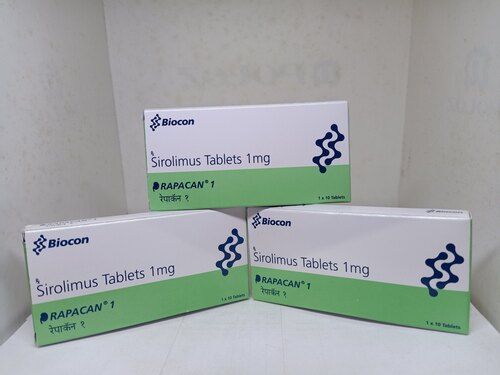
RAPACAN 1 MG
Price 2299 INR / Strip
Minimum Order Quantity : 1 Strip
Drug Type : General Medicines
Function : Other
Ingredients : Sirolimus
Storage Instructions : Store below 30C

Viraday Tablet
Price 3646 INR / Thousand
Minimum Order Quantity : 5
Drug Type : Other, Allopathic
Function : Other, Antiretroviral therapy (ART) for HIV infection
Ingredients : Emtricitabine, Tenofovir Disoproxil Fumarate, Efavirenz
Storage Instructions : Store below 30C, keep container tightly closed and protect from moisture

Efavir 600 Tablet
Price 1685 INR / Thousand
Minimum Order Quantity : 5 Bottles
Drug Type : Other, Prescription Only
Function : Other, Antiretroviral, NonNucleoside Reverse Transcriptase Inhibitor (NNRTI)
Ingredients : Efavirenz 600 mg
Storage Instructions : Store below 30C, protect from light and moisture
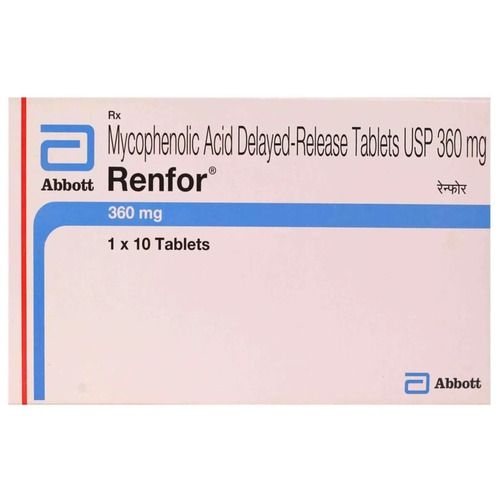
Renfor 360mg Tablet
Price 859 INR / Thousand
Minimum Order Quantity : 5 Strips
Drug Type : Other, Prescription only
Function : Other, Immunosuppressant
Ingredients : Mycophenolate Sodium 360mg
Storage Instructions : Store in a cool, dry place below 25C, protect from light and moisture

GST : 29AXZPT5360J1ZC
 Send Inquiry


 |
SURYA SPECIALITY PHARMA
All Rights Reserved.(Terms of Use) Developed and Managed by Infocom Network Private Limited. |
