





 Send Inquiry
Magnex 1g Injection
Price 541 INR/ Thousand
Magnex 1g Injection Specification
- Salt Composition
- Cefoperazone Sodium 1g + Sulbactam Sodium 1g
- Pacakaging (Quantity Per Box)
- 1 vial
- Origin of Medicine
- India
- Dosage Form
- Injection
- Indication
- Bacterial infections including respiratory, urinary, intra-abdominal, skin, and soft tissue infections
- Drug Type
- Allopathic
- Ingredients
- Cefoperazone and Sulbactam
- Physical Form
- Lyophilized powder for injection
- Function
- Broad-spectrum antibiotic
- Recommended For
- Antibacterial treatment for susceptible infections
- Dosage
- As directed by physician; usually 1-2g intravenously every 12 hours
- Dosage Guidelines
- Reconstitute with recommended diluent prior to administration
- Suitable For
- Adults and children as prescribed
- Quantity
- 1 vial per box
- Storage Instructions
- Store below 25°C, protect from light
- Shelf Life
- 24 months
- Available Strength
- 1g vial
- Class
- Third Generation Cephalosporin with Beta-lactamase inhibitor
- Contraindications
- Known hypersensitivity to cephalosporins or sulbactam
- Reconstitution
- Dissolve with sterile water for injection
- Therapeutic Use
- Treats severe bacterial infections
- Prescription Requirement
- Prescription Only
- Product Code
- Magnex 1g
- Route of Administration
- Intravenous or Intramuscular
Magnex 1g Injection About
Magnex 1g Injection is a combination medicine. It is prescribed to treat various types of bacterial infections. It fights against the microorganisms to prevent their growth and further spread of the infection.Magnex 1g Injection should only be administered under the supervision of a healthcare professional. Do not miss any scheduled appointments for taking this medicine. The course of the treatment must be completed even if you feel better. Sudden discontinuation of the treatment may affect the potency of the medicine.Some common side effects of this medicine are nausea, vomiting, diarrhea, indigestion, etc. If any of the side effects get aggravated, you must consult your doctor immediately. If you experience any allergic reaction (rashes, itching, swelling, shortness of breath, etc.), you must seek immediate medical help.Before taking this medicine, you should tell your doctor if you are taking any medicines for any health condition. Pregnant or breastfeeding women should also consult with their doctor before taking it. Avoid drinking alcohol as it can cause excessive drowsiness with this medicine. It usually does not impair your ability to drive, but you should not drive if it makes you feel sleepy or dizzy. You must take adequate rest for a faster recovery, also take a healthy diet and drink plenty of water. Your doctor may ask for a few laboratory and diagnostic tests to know the effects of the medicine on your bodyTherapeutic Efficacy for Serious Infections
Magnex 1g Injection is recommended for the treatment of severe bacterial infections, including those affecting the respiratory tract, urinary system, abdominal cavity, skin, and soft tissues. Its advanced formulation combines cefoperazone and sulbactam to increase effectiveness against resistant bacteria by inhibiting beta-lactamase enzymes.
Proper Reconstitution and Administration
Before administration, Magnex 1g must be dissolved in sterile water for injection. The reconstituted solution can be administered either intravenously or intramuscularly, as instructed by a healthcare professional. Strict adherence to recommended dosage and administration procedures ensures optimal therapeutic outcomes.
Key Storage and Prescription Guidelines
Store Magnex 1g Injection below 25C and ensure it is protected from light to maintain potency throughout its 24-month shelf life. Since it is a potent allopathic antibiotic, it requires a valid prescription and should be dispensed according to physician instructions for safe and targeted antibacterial therapy.
FAQ's of Magnex 1g Injection:
Q: How is Magnex 1g Injection administered to patients?
A: Magnex 1g Injection is reconstituted with sterile water for injection and then given intravenously or intramuscularly by a healthcare professional, following the prescribed dosage directions.Q: What conditions is Magnex 1g Injection recommended to treat?
A: This injection is indicated for the treatment of severe and susceptible bacterial infections, including those of the respiratory tract, urinary system, intra-abdominal area, skin, and soft tissues.Q: When should Magnex 1g Injection not be used?
A: It should not be prescribed to individuals who are known to have hypersensitivity or allergic reactions to cephalosporins or sulbactam, which are its key ingredients.Q: Where should Magnex 1g Injection be stored for optimal effectiveness?
A: Store the vial below 25C and protect it from light to preserve its effectiveness during its 24-month shelf life.Q: What is the process for preparing Magnex 1g Injection before use?
A: The lyophilized powder must be dissolved in sterile water for injection before administration; this is done according to the reconstitution guidelines provided with the product.Q: How often is Magnex 1g Injection typically administered?
A: The standard dosing is usually 1-2g intravenously every 12 hours, but the exact dosage and frequency should be determined by a physician based on individual patient needs.Q: What are the benefits of using Magnex 1g Injection for bacterial infections?
A: Magnex 1g provides broad-spectrum antibacterial coverage, effectively treating serious infections by combining cephalosporin activity with beta-lactamase inhibition, which helps to overcome resistant pathogens.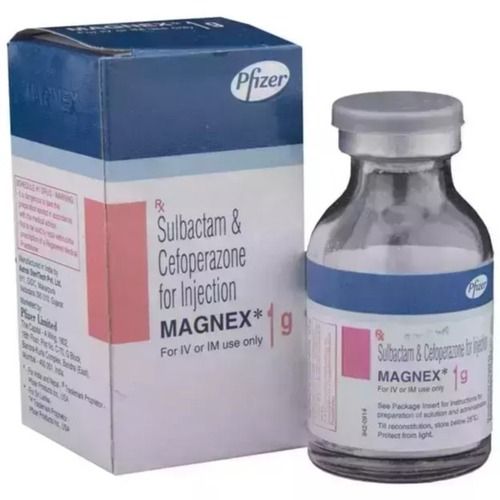

Price:
- 50
- 100
- 200
- 250
- 500
- 1000+

More Products in Pharmaceutical Injection Category
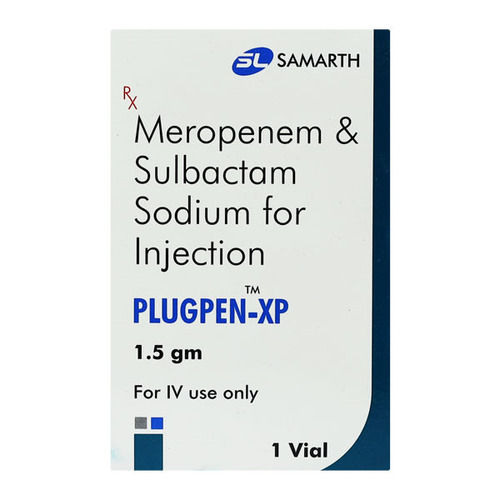
PLUGPEN XP 1.5 GM
Price 570.00 INR / Vial
Minimum Order Quantity : 10 Vials
Dosage Guidelines : Bacterial infections, hospitalacquired and ventilatorassociated pneumonia, urinary tract infections, intraabdominal infections, skin and soft tissue infections, and uterine infections.
Drug Type : Injection
Physical Form : Powder
Storage Instructions : Store below 25C
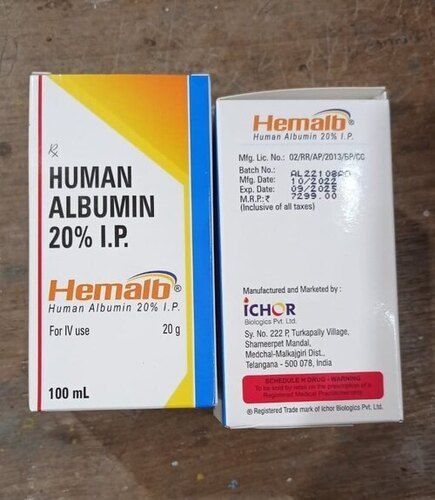
HEMALB 20%
Price 6569.00 INR / Bottle
Minimum Order Quantity : 1 Bottle
Dosage Guidelines : Your doctor or nurse will give you this medicine. Kindly do not selfadminister.
Drug Type : Injection
Physical Form : Liquid
Storage Instructions : Store in a refrigerator (2 8C). Do not freeze.
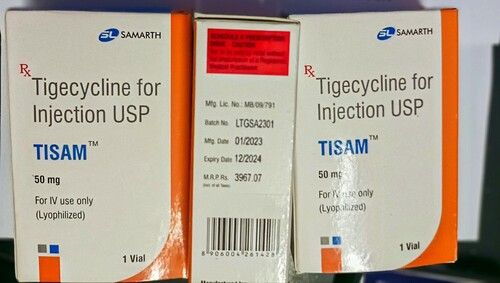
TISAM 50 MG
Price 2500.00 INR / Vial
Minimum Order Quantity : 10 Vials
Dosage Guidelines : Bacterial infections, hospitalacquired and ventilatorassociated pneumonia, urinary tract infections, intraabdominal infections, skin and soft tissue infections, and uterine infections.
Drug Type : Injection
Physical Form : Powder
Storage Instructions : Store below 25C
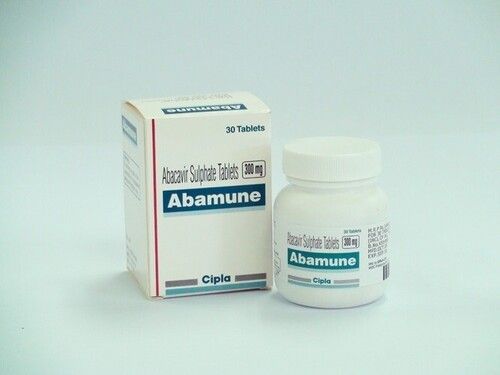
ABAMUNE 300MG INJ
Price 1000 INR / Number
Minimum Order Quantity : 1 Number
Dosage Guidelines : Follow medical direction
Drug Type : Other, Allopathic
Physical Form : Other, Injection
Storage Instructions : Store at 2C 8C, protect from light

GST : 29AXZPT5360J1ZC
 Send Inquiry


 |
SURYA SPECIALITY PHARMA
All Rights Reserved.(Terms of Use) Developed and Managed by Infocom Network Private Limited. |
