
About
USES OF AMBISOME INJECTION
- Treatment of Severe fungal infections
- Treatment of Leishmaniasis.
BENEFITS OF AMBISOME INJECTION
In Treatment of Severe fungal infections
Ambisome Injection works by killing the fungi which can cause serious infections. It is given by a doctor or nurse and should not be self-administered. It usually makes you feel better very quickly but you should continue taking it as prescribed even when you feel better to make sure that all the fungi and yeast causing the infection are killed and do not become resistant.
E EFFECTS OF AMBISOME INJECTION
Most side effects do not require any medical attention and disappear as your body adjusts to the medicine. Consult your doctor if they persist or if youïre worried about them
Common side effects of Ambisome
- Decreased potassium level in blood
- Nausea
- Vomiting
- Chills
- Fever
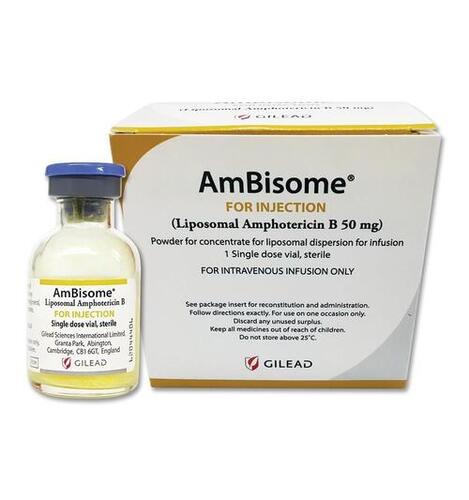
Targeted Therapy for Severe Fungal InfectionsAmbisome 50 mg is recommended for the management of serious fungal infections when rapid, effective treatment is crucial. Its liposomal delivery system enhances therapeutic efficacy while reducing renal toxicity, offering a safer alternative for patients with compromised immunity, such as those undergoing chemotherapy or suffering from HIV/AIDS.
Enhanced Safety Profile with Liposomal TechnologyBy encapsulating Amphotericin B in liposomes, Ambisome limits exposure to sensitive tissues and decreases common toxicities seen with conventional formulations. Routine monitoring of renal and hepatic functions is essential during therapy to further safeguard patient health.
Convenient and Reliable PackagingEach Ambisome vial contains 50 mg of lyophilized powder, packaged singly for optimal dosing accuracy. The powder exhibits a light yellow color when reconstituted and must be mixed exclusively with sterile water for injection by qualified healthcare professionals.
FAQ's of Ambisome 50 mg:
Q: How should Ambisome 50 mg be administered to patients?
A: Ambisome 50 mg should be administered intravenously, following reconstitution with sterile water for injection. The process must be performed by trained medical personnel to ensure patient safety and effective drug delivery.
Q: What are the primary indications for Ambisome 50 mg use?
A: Ambisome is indicated for systemic fungal infections, including cryptococcal meningitis, and is also used in empirical therapy for febrile neutropenic patients where invasive fungal infections are suspected.
Q: When is Ambisome contraindicated or should not be used?
A: Ambisome is contraindicated in patients who have a known hypersensitivity to amphotericin B or any component of the formulation. It should be avoided in those populations to prevent severe allergic reactions.
Q: What precautions should be taken during Ambisome therapy?
A: Regular monitoring of renal and hepatic function is crucial throughout the course of treatment with Ambisome, due to the risk of nephrotoxicity, hepatic impairment, and electrolyte imbalances.
Q: How should Ambisome 50 mg be stored and handled prior to use?
A: Ambisome vials should be stored below 25C, protected from light, and used within the 24-month shelf life. The lyophilized powder must remain sealed until reconstitution by a healthcare professional just prior to administration.
Q: What makes Ambisome beneficial compared to conventional antifungal therapies?
A: Ambisome's liposomal formulation significantly reduces the risk of nephrotoxicity and other infusion-related reactions commonly observed with conventional Amphotericin B, making it safer for both adults and children.
Q: Can Ambisome be used in pregnant or lactating women?
A: Ambisome should only be used in pregnancy or lactation when clearly needed and when the potential benefits to the mother outweigh the risks to the fetus or infant, under strict medical supervision.