





 Send Inquiry
ESPOGEN 4000IU /0.4Ml innj
Price 1550 INR/ Number
ESPOGEN 4000IU /0.4Ml innj Specification
- Origin of Medicine
- Biotechnology-derived
- Pacakaging (Quantity Per Box)
- 1 pre-filled syringe per box
- Salt Composition
- Epoetin Alfa 4000 IU
- Indication
- Anemia due to chronic kidney disease, chemotherapy, or HIV treatment
- Dosage Form
- Injection
- Drug Type
- Biological (Biotech) Injection
- Ingredients
- Epoetin Alfa (Recombinant Human Erythropoietin) 4000 IU
- Physical Form
- Liquid Solution for Injection
- Function
- Stimulates erythropoiesis to increase red blood cell production
- Recommended For
- Patients with anemia associated with chronic renal failure, cancer chemotherapy, or HIV therapy
- Dosage
- 4000 IU per 0.4 ml via subcutaneous or intravenous injection, as advised by physician
- Dosage Guidelines
- To be administered under supervision of a healthcare professional. Dosage as prescribed based on hemoglobin levels and patient condition.
- Suitable For
- Adults
- Quantity
- 1 pre-filled syringe of 0.4 ml
- Storage Instructions
- Store in a refrigerator (2C 8C). Do not freeze. Protect from light.
- Administration Frequency
- Varies by clinical protocol, typically 1-3 times weekly
- Contraindications
- Uncontrolled hypertension, hypersensitivity to Epoetin or excipients
- Shelf Life
- 18-24 months (as per manufacturers batch) if stored correctly
- Appearance
- Clear, colorless or slightly yellowish solution in prefilled syringe
- Caution
- Do not use if solution is cloudy or contains particulates; avoid shaking syringe
- Regulatory Approval
- Approved in multiple countries under relevant drug regulatory bodies
- Brand Name
- ESPOGEN
- Prescription Status
- Prescription only (Rx) medicine
- Common Side Effects
- May include headache, hypertension, injection site reactions, flu-like symptoms
- Route of Administration
- Subcutaneous or intravenous
ESPOGEN 4000IU /0.4Ml innj About
- BENEFITS OF ESPOGEN INJECTION
In Treatment of Anemia due to chronic kidney disease
Espogen 4000IU Injection is a man-made protein that helps your bone marrow to produce more red blood cells. It is used to treat anemia which is caused by kidney disease in adults and children who are on dialysis. Anemia is a condition where your body does not have enough red blood cells to carry oxygen around your body. This medicine helps reduce weakness and tiredness that you may be experiencing due to anemia. The injection is usually given by a doctor after a dialysis treatment.
Show More
SIDE EFFECTS OF ESPOGEN INJECTION
Most side effects do not require any medical attention and disappear as your body adjusts to the medicine. Consult your doctor if they persist or if youire worried about them
Common side effects of Espogen
- High blood pressure
- Nausea
- Vomiting
- Fever
- Rash
- Joint pain
- Headache
- Insomnia (difficulty in sleeping)
- Chills
- Cough
- Bone pain
- Muscle spasm
- Dizziness
- Vascular occlusion
- Injection site irritation
- Stomatitis (Inflammation of the mouth)
- Weight loss
- Decreased white blood cell count (lymphocytes)
- Increased glucose level in blood
- Blood clot in the blood vessels
How ESPOGEN Works
ESPOGEN contains Epoetin Alfa, which mimics the body's natural erythropoietin hormone to stimulate erythropoiesis - the process of red blood cell production in bone marrow. By boosting red cell counts, ESPOGEN helps alleviate anemia commonly associated with chronic kidney disease, chemotherapy, or HIV therapy.
Proper Administration and Usage
ESPOGEN should be administered by a healthcare professional, either subcutaneously or intravenously, depending on your clinical condition and physician's preference. The typical schedule is 1-3 times weekly, but this may vary. Avoid shaking the syringe, and do not use the solution if it appears cloudy or contains particles.
Benefits for Patients
By increasing red blood cell production, ESPOGEN improves oxygen delivery throughout the body. Patients receiving this therapy often experience reduced symptoms of anemia, such as fatigue and weakness, contributing to an enhanced quality of life during chronic treatment protocols.
FAQ's of ESPOGEN 4000IU /0.4Ml innj:
Q: How should ESPOGEN be administered for best results?
A: ESPOGEN must be injected subcutaneously or intravenously by a healthcare professional. Always follow your doctor's instructions regarding injection frequency and technique for optimal safety and effectiveness.Q: What is the recommended storage condition for ESPOGEN 4000IU/0.4ml Injection?
A: ESPOGEN should be stored in a refrigerator at 2C-8C, protected from light. Do not freeze the syringe and avoid exposure to excessive heat or shaking, as this may damage the medication.Q: What precautions should I take before using ESPOGEN?
A: Do not use ESPOGEN if you have a known hypersensitivity to Epoetin or its excipients, or if you have uncontrolled hypertension. Ensure the solution is clear and particle-free before use, and never shake the syringe.Q: What are the common side effects with ESPOGEN?
A: Common side effects may include headache, elevated blood pressure (hypertension), redness or discomfort at the injection site, and flu-like symptoms. Always report any severe or persistent reactions to your healthcare provider.Q: Who can benefit from ESPOGEN therapy?
A: ESPOGEN is recommended for adults diagnosed with anemia resulting from chronic kidney disease, cancer chemotherapy, or HIV treatment. Your physician will decide if this medication is appropriate for your condition.Q: How often should I receive ESPOGEN injections?
A: The injection schedule varies by your clinical protocol, typically one to three times a week. Your doctor will determine the exact frequency and dosage based on your hemoglobin levels and overall health.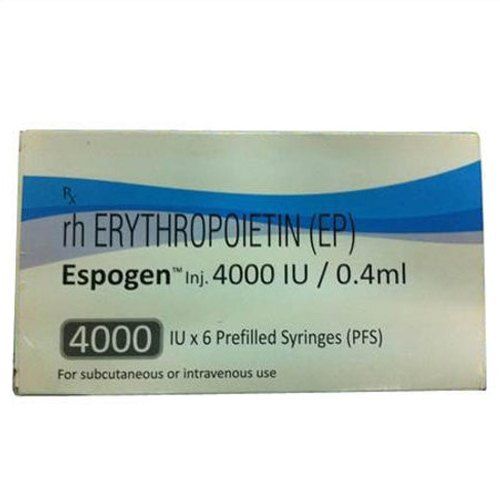

Price:
- 50
- 100
- 200
- 250
- 500
- 1000+

More Products in Pharmaceutical Injection Category
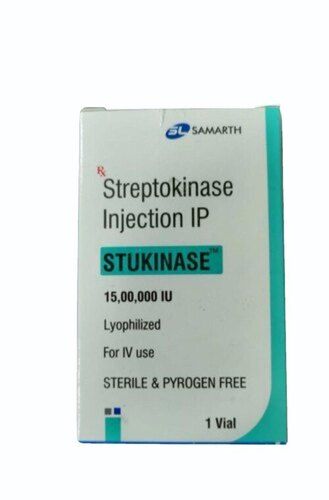
STUKINASE 15 LAC INJECTION
Price 1900.00 INR / Vial
Minimum Order Quantity : 1 Vial
Physical Form : Liquid
Storage Instructions : Store in a refrigerator (2 8C). Do not freeze.
Drug Type : Injection
Dosage Guidelines : Your doctor or nurse will give you this medicine. Kindly do not self administer.
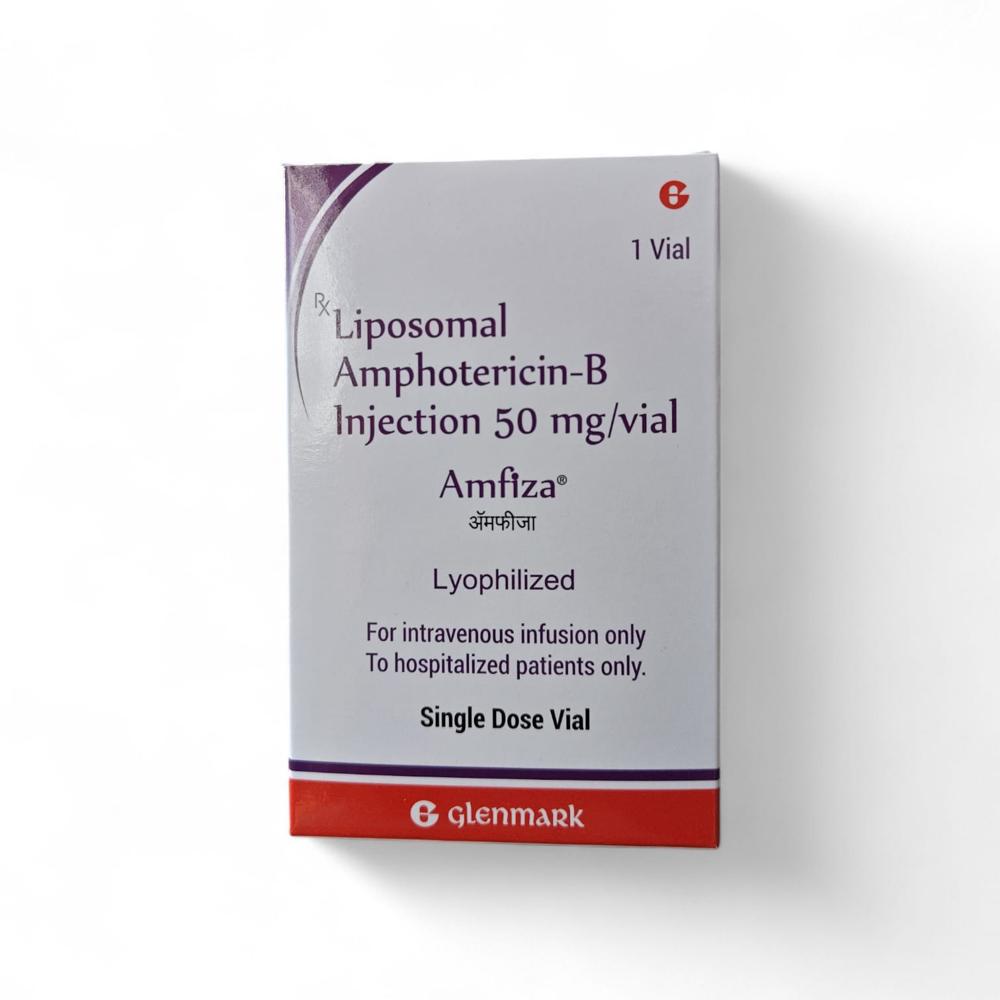
Amphotericin B 50mg Injection (AMFIZA 50mg )
Price 3500.0 INR / Strip
Minimum Order Quantity : 1 Number
Physical Form : Powder
Storage Instructions : Store in a cool, dry place away from direct sunlight
Drug Type : Other
Dosage Guidelines : Follow medical advice strictly

EMGRAST -M (500UG) PFS
Price 2608 INR / Thousand
Minimum Order Quantity : 5 Vials
Physical Form : Liquid
Storage Instructions : Store at 2C to 8C. Do not freeze.
Drug Type : Other, Biological
Dosage Guidelines : As directed by physician
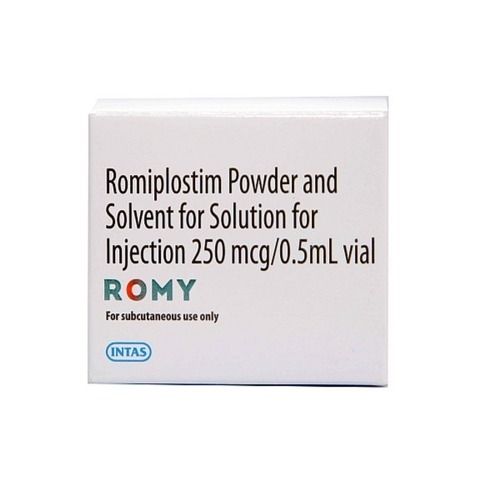
ROMY 250MG INJ
Price 2634 INR / Thousand
Minimum Order Quantity : 5 Vials
Physical Form : Other, Liquid Injection
Storage Instructions : Store below 25C, protected from light
Drug Type : Other, Prescription medicine
Dosage Guidelines : Administer intravenously or intramuscularly as per medical advice

GST : 29AXZPT5360J1ZC
 Send Inquiry


 |
SURYA SPECIALITY PHARMA
All Rights Reserved.(Terms of Use) Developed and Managed by Infocom Network Private Limited. |
